The Coating That Protects the Foam
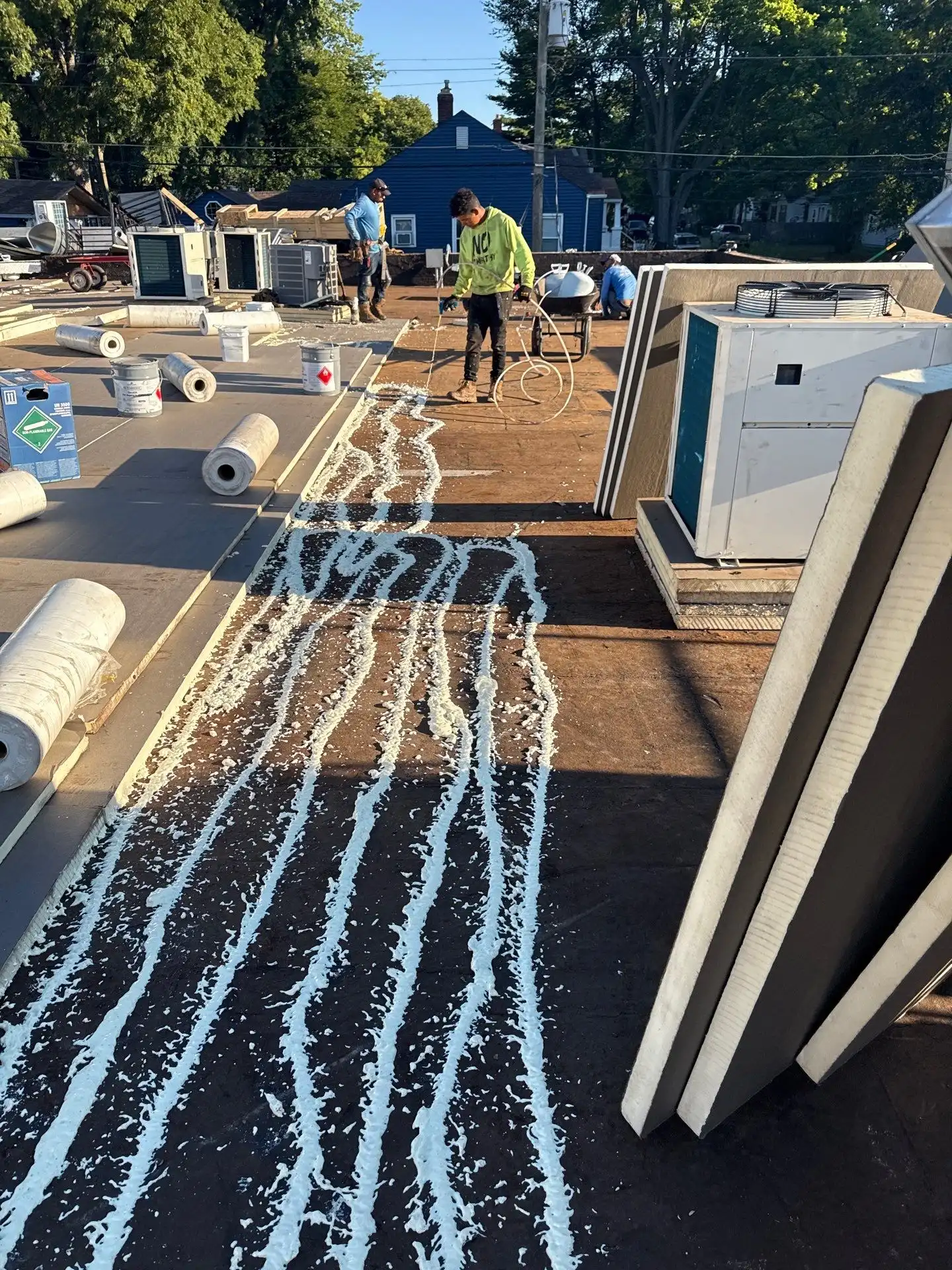
The coating is an essential part of a spray foam roof, since the foam depends on it for protection and longevity. Understanding the coating explains a key aspect of SPF roofing. Here is the coating that protects the foam on a Whiteland commercial building.
Why the Foam Needs a Coating
The foam needs a coating because polyurethane foam is not suited to long term exposure to UV and the elements, which would degrade it without protection. The coating shields the foam, providing the weathering surface that the foam itself cannot be. For a Whiteland building, understanding why the foam needs a coating explains the coating's importance, since the foam depends on it. The coating protects the vulnerable foam. This reason the foam needs a coating is fundamental to SPF roofing, since polyurethane foam is not suited to long term UV and weather exposure and would degrade without protection, making the coating that shields it and provides the weathering surface an essential, not optional, part of a spray foam roof on the commercial building.
Common Coating Types
SPF roofs are protected with common coating types, including silicone and acrylic coatings, each with its characteristics and appropriate uses. The coating is chosen based on the roof, the climate, the priorities, and the situation. For a Whiteland building, understanding the common coating types explains the options for protecting an SPF roof, since the coating choice matters. Different coatings suit different situations. These common coating types are part of SPF roofing, since silicone and acrylic coatings, among others, are used to protect the foam, each with its characteristics and appropriate uses, and the coating is chosen based on the roof, the climate, and the priorities for the commercial building.
What the Coating Does
The coating does several jobs on an SPF roof, protecting the foam from UV and weather, providing the weathering surface, and often adding reflectivity that contributes to energy efficiency. The coating is both protection and performance for the roof. For a Whiteland building, understanding what the coating does explains its value, since it protects and performs. The coating shields and reflects. This work the coating does is central to SPF roofing, since the coating protects the foam from UV and weather, provides the weathering surface, and often adds reflectivity that contributes to energy efficiency, making it both the protection the foam needs and a contributor to the roof's performance on the commercial building.
Coating Thickness and Quality
The coating's thickness and quality matter on an SPF roof, since the coating must be applied to the proper thickness and with quality materials to protect the foam effectively and last. A thin or poor coating does not protect the foam well. For a Whiteland building, coating thickness and quality are part of a good SPF roof, since the coating must do its job. The coating must be properly applied. This coating thickness and quality is important to SPF roofing, since the coating must be applied to the proper thickness with quality materials to protect the foam effectively and last, making proper application of the coating, not just its presence, essential to the foam's protection on the commercial building.
The Coating Wears Over Time
The coating on an SPF roof wears over time, since the protective layer is exposed to the elements and gradually degrades, which is why SPF roofs need periodic recoating. Monitoring the coating's condition is part of maintaining an SPF roof. For a Whiteland building, understanding that the coating wears over time explains why recoating matters, since the protection must be renewed. The coating needs eventual renewal. This wearing of the coating over time is a key aspect of SPF roofing, since the protective layer is exposed to the elements and gradually degrades, which is why SPF roofs need periodic recoating to renew the protection, making monitoring the coating's condition part of maintaining the roof on the commercial building.
Recoating to Renew Protection
SPF roofs are maintained by recoating to renew protection, applying a fresh coat when the existing coating has worn to restore the foam's protection and extend the roof's life. Recoating is a manageable maintenance step that keeps an SPF roof going. For a Whiteland building, recoating to renew protection is how an SPF roof is maintained, since it renews the coating that protects the foam. The recoat extends the roof's life. This recoating to renew protection is central to maintaining an SPF roof, since applying a fresh coat when the existing coating has worn restores the foam's protection and extends the roof's life, making periodic recoating a manageable maintenance step that keeps a spray foam roof serving on the commercial building.
The Coating Makes SPF Last
The coating protects the foam from UV and weather, provides the weathering surface, and often adds reflectivity, and because it wears over time, SPF roofs are maintained by periodic recoating. The coating is essential to a lasting SPF roof on a Whiteland commercial building.
It helps to understand that the coating is what determines much of a spray foam roof's long term cost and care. Because the foam itself is durable and protected, the ongoing maintenance of an SPF roof centers on the coating, which wears with exposure and must be renewed by periodic recoating. This means that budgeting for an SPF roof includes planning for recoats over the years, a manageable and predictable maintenance cost that keeps the foam protected. For a Whiteland building, understanding this recoating cycle helps in planning, since the recoats are part of owning a foam roof. Whiteland Commercial Roofing helps building owners understand the recoating cycle and plan for it, so the maintenance of a spray foam roof is anticipated and budgeted rather than a surprise, keeping the roof protected and serving for the long term on the commercial building.
Coat or Recoat Your SPF Roof
Need to coat a new SPF roof or recoat an aging one? Call Whiteland Commercial Roofing at (765) 676-3491 for a free inspection of your Whiteland commercial building. We apply quality coatings to protect your foam and recoat SPF roofs to renew their protection, keeping your spray foam roof sound and lasting.